
Electronics Testing and Repair Staffing Services
Test technicians, rework and repair crews, and inspection teams for electronics operations. In this environment, damage from mishandling is usually invisible until much later.
Electronics Testing And Repair Staffing Built For Your Workforce Needs
Most light industrial errors are visible when they happen. A dropped pallet, a jammed press, a short count. Electronics works differently. A board handled without static protection can pass every test on your bench and fail in a customer’s hands four months later, and nothing about the moment it happened looked like an error.
That fact shapes how the work has to be staffed. We place test technicians, rework and repair operators, inspection and quality crews, and the handling and packing roles around them, and we screen for whether a person has worked inside static-controlled conditions before. A worker who understands why the wrist strap matters will use it on a night shift with nobody watching. A worker who was only told to use it is a different risk.
A 25+ Year Legacy of Trust at Luxor Staffing













What Electronics Testing And Repair Work Covers
The category spans routine production work and diagnostic work, and the two need different people.
Functional and in-circuit testing. The production end. Running units through a test fixture, recording results, sorting pass from fail, and flagging patterns. It rewards consistency and accurate recording more than technical depth, so we screen for it much as we screen assembly work.
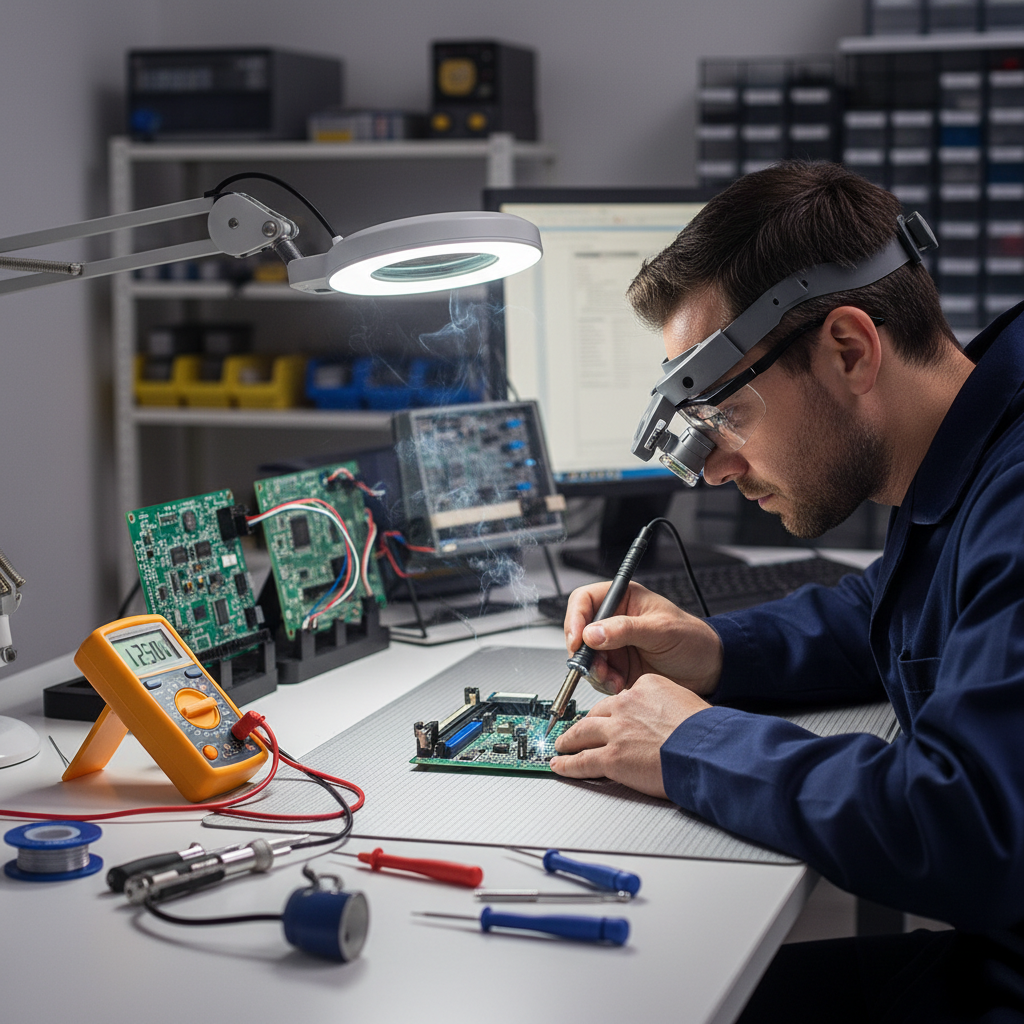
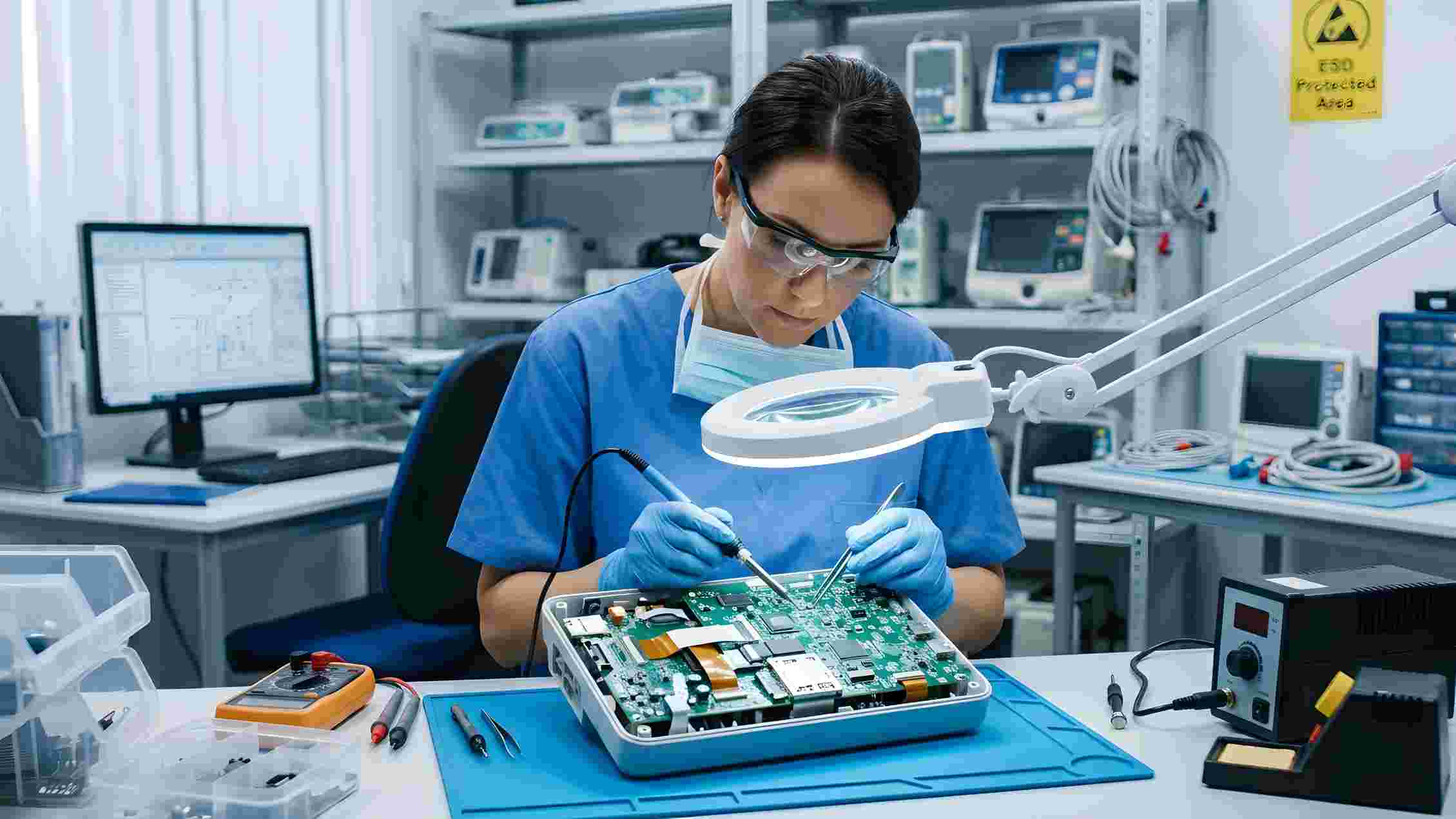
Rework and repair. The diagnostic end. Identifying a fault, reworking a board, replacing a component, hand soldering, cleaning, and retesting. This needs someone who can think about why a unit failed, and the pool of people who do that well is smaller.
Inspection and quality. Visual inspection under magnification, solder joint checks, cosmetic grading, and documentation. Attention to detail is the whole job and it degrades with fatigue, so shift length and rotation matter more here than in most roles.
Around all of it we place ESD-safe handling, packing, and kitting crews, plus returns and RMA processing teams, often the highest-volume work in an electronics operation.
Why Static Discipline Is The Screening Question
Electronics operations run static controls as a matter of course. Wrist straps, heel straps, mats, ionizers, ESD-safe packaging, grounded benches, and restrictions on what a worker can wear or bring to a station. The controls only work if every person follows them every time, and a lapse costs nothing visible on the day it happens.
So we do not ask candidates whether they will follow the rules. We ask whether they have worked in an ESD-controlled environment before, what the setup was, and what they were told about why it existed. Someone who can explain what static damage does to a component has shown us more than a promise would.
We also screen for the smaller things that predict the same behavior. Whether they have worked under magnification, handled product in controlled conditions, and whether they are comfortable with the pace of a test bench, which is slower and more stationary than most warehouse and production work.
Handling and onboarding is built around your station setup, covering your controls, your packaging requirements, and your documentation.
What You Can Expect From Luxor Staffing
Electronics crews are usually small, and a small order gets the same screening conversation here as a large one. Three workers who understand a static mat are worth more to your operation than ten who need to be told.
Screened For ESD Awareness
We ask what a candidate has worked with and what they understand about why the controls exist, because controls that hold up on a night shift are the ones a worker understands.
Test And Rework Are Different Hires
Production testing rewards consistency. Rework and repair needs someone who can diagnose a fault. We screen for the two separately.
Documentation Discipline
Test results, failure codes, rework records, and RMA notes. We screen for accurate recording alongside the technical work, because a repair without a record cannot be traced.
Small Crews Handled Properly
We use the same intake process for a 10-person bench that we use for a crew of 300. The scale changes and the screening does not.

Partner With Luxor Staffing
Tell us what gets tested, what gets reworked, and what your station setup requires of the person working at it. Those answers narrow the pool quickly, and they determine whether the crew protects your product. Complete the form to get started.